Let me claim this very first.
Most PhD thesis Dissertation (menifeemunchkins.com) scholars do not leave because they are incapable.
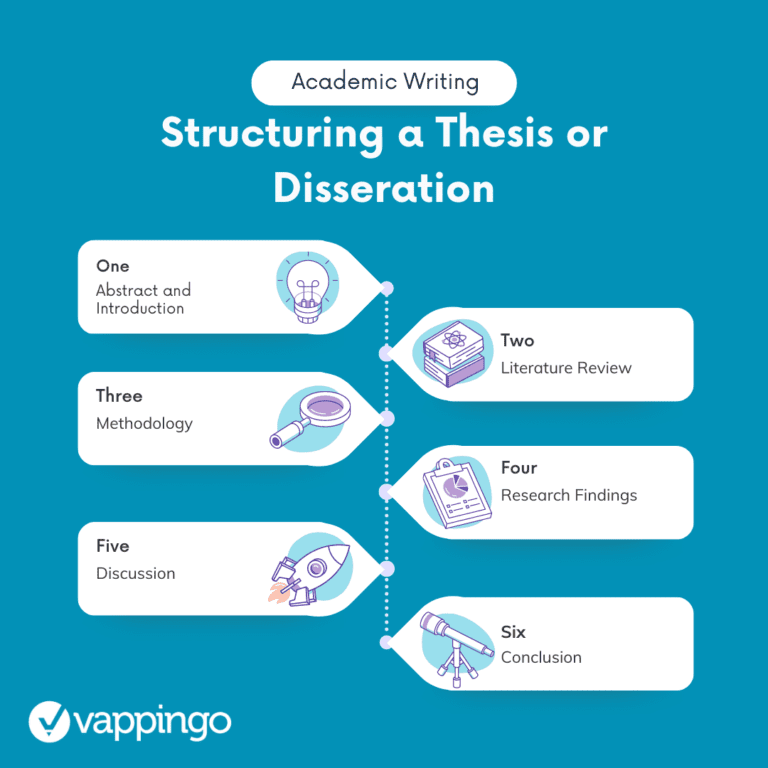
They struggle due to the fact that the process is long, separating, puzzling, and terribly structured.
Fantastic minds obtain stuck in between topic approval and chapter four. Not because they lack intelligence. But due to the fact that nobody really teaches them exactly how to handle a thesis from beginning to end.
That is where an organized support design makes all the difference.
Not creating for the scholar. Not changing research. Yet leading, forming, correcting, and enhancing every phase so the work comes to be publishable, defendable, and valued.
This is exactly how a proper PhD thesis support system must work.
Phase One: Clearness Prior To Creating
A lot of problems start right here.
A scholar selects a subject that appears impressive however is either as well broad or as well narrow. Research study questions are vague. Purposes are unclear. Hypothesis is freely mounted.
Before a solitary phase is composed, clearness should be compelled.
An organized support design starts with:
- Topic refinement
- Space recognition
- Trouble statement advancement
- Clear research study objectives
- Usefulness examination
This stage conserves months of confusion later.
Numerous scholars rush right into literary works review without recognizing specifically what they are exploring. That develops scattered creating and weak debates.
Proper assistance at this phase brings sharp instructions.
Phase Two: Study Design Design
Currently comes the technological backbone.
Approach is not an ornamental chapter. It establishes whether the thesis endures evaluation.
Assistance at this phase consists of:
- Choosing suitable study layout
- Tasting method preparation
- Device development and validation
- Data collection planning
- Honest clearance assistance
Lots of scholars copy approach styles from previous theses without comprehending alignment. That threatens.
A structured assistance design makes certain that research concerns, purposes, tools, and evaluation strategies are practically connected.
When design is strong, examiners take the job seriously.
Phase 3: Literature Review Development
This is where numerous PhD candidates feel overwhelmed.
Hundreds of documents. Contradicting findings. The concern of missing something essential.
Literary works testimonial is not a recap. It is disagreement building.
Support at this stage concentrates on:
- Identifying excellent quality journals
- Organizing literature thematically
- Structure conceptual structures
- Recognizing research spaces
- Avoiding descriptive dumping
A strong testimonial shows deepness, not volume.
Scholars frequently fight with structuring this chapter. They gather PDFs for months and still feel lost.
Structured mentoring breaks it into convenient blocks. Motif by style. Concept by concept.
Gradually, the chapter begins to talk.
Phase Four: Information Evaluation Support
This is the stage that produces panic.
Stats. Software. Analysis.
Some scholars are excellent writers yet uneasy with quantitative devices. Others gather data however can not interpret patterns with confidence.
An assistance version offers:
- Software guidance such as SPSS or R.
- Selection of proper analytical tests.
- Data cleansing supervision.
- Analysis quality.
- Result presentation formatting.
Analysis is not almost producing tables. It is about explaining what those numbers suggest for your research issue.
Supervisors do not just read outcome. They seek understanding.
Proper support makes sure that searchings for are practically talked about, not mechanically reported.
Stage Five: Phase Structuring and Academic Creating.
This is where writing top quality matters.
Lots of doctoral scholars recognize their subject deeply but battle to express debates academically. Sentences become long and unclear. Paragraphs lose focus. Repetition rises.
Organized assistance consists of:.
- Chapter sensible composing assistance.
- Logical flow improvement.
- Argument strengthening.
- Academic tone renovation.
- Minimizing unneeded content.
Clearness is power in research writing.
A good thesis checks out with confidence. It does not roam.
This phase is not regarding altering the scholar's voice. It has to do with developing it.
Phase Six: Referencing and Formatting Self-control.
Formatting noises little.
It is not.
Inaccurate citation design aggravates inspectors quickly. Inconsistent referencing signals recklessness.
An organized assistance version makes certain:.
- Proper citation style adherence such as APA or MLA.
- Plagiarism reduction and similarity checks.
- Reference list accuracy.
- Table and number positioning.
- College formatting compliance.
Many universities turn down entries over formatting errors alone.
This phase safeguards months of hard work from technical denial.
Phase Seven: Magazine Assistance.

Today, PhD conclusion often calls for study publications.
Scholars are expected to publish in peer examined journals before entry.
But journal selection is puzzling. Predacious journals exist. Rejection is common.
Support includes:.
- Identifying indexed journals.
- Manuscript restructuring from thesis phases.
- Reacting to customer remarks.
- Resubmission approaches.
Magazine boosts thesis reliability.
Extra importantly, it develops the scholar's academic account.
Phase 8: Pre Entry Testimonial and Mock Viva.
Before final submission, the thesis should undertake deep review.
A structured support group carries out:.
- Chapter smart proofreading.
- Debate uniformity monitoring.
- Research objective alignment evaluation.
- Mock viva preparation.
- Expected question conversation.
Many scholars panic during viva due to the fact that they have not reviewed their own job seriously.
Mock conversations develop confidence.
Confidence programs during protection.
Psychological and Mental Support.
This part is seldom gone over.
PhD writing is mentally tiring.
There are phases of self uncertainty. Imposter disorder. Delays in supervisor responses. Family pressure. Financial pressure.
A structured support model acknowledges the human side.
Regular progression tracking. Little turning point events. Sincere comments without frustration.
Often what a scholar requires is peace of mind that they are not behind. That complication is normal. That revision becomes part of research.
Assistance is not just technical. It is emotional stability.
Honest Border.
Let me be clear.
Organized aid is advice, not composing.
The scholar should remain the primary scientist.
Moral support strengthens research skills rather than changing them.
The objective is self-reliance, not dependence.
A correct version makes sure openness and scholastic honesty at every stage.